
How to Be Your Own Boss: What Should You Know Before Starting a Small Business?
Millions of people dream about quitting their nine-to-five job. Turning that dream into a real business takes more than courage. It takes a clear picture of the numbers. The average small business spends around $40,000 in its first year, but plenty of owners start with far less. Knowing what to expect financially is the real starting point.
In this guide, we’ll walk through actual startup costs, funding options, legal steps, and small business ideas worth exploring. By the end, you’ll know roughly what it costs to run your own show, not just what it feels like.
What Does It Mean to Be Your Own Boss?
Being your own boss means you make the decisions. You set your hours, choose your clients, and decide how your business grows. There’s no manager looking over your shoulder. But that freedom comes with a price tag. Roughly 78% of small business owners self-fund their launch with savings or income from another job. You are now in charge of sales, budgets, and every dollar that goes out the door.
Still, the payoff can be real. Owners who push through the first two years, when about 30% of new businesses close, often see their income grow steadily from there.
How Much Does It Cost to Start a Small Business?
Startup costs vary a lot by business type. A freelance writer might start for under $500 with just a laptop and internet. A restaurant owner may need $375,000 or more before opening day. Here’s a breakdown of typical first-year costs by business type:
| Business Type | Typical Startup Cost |
| Home-based or online service | $500 – $10,000 |
| Small service business (cleaning, consulting, tutoring) | $2,000 – $10,000 |
| Retail store | $50,000 – $175,000 |
| Franchise | $50,000 – $250,000+ |
| Restaurant | $375,000 (median) |
About 58% of small business owners launch with less than $25,000, and a third get started with under $5,000. You don’t need six figures to begin. But it helps to build a cash cushion of 10% to 20% above your estimate, since most first-year owners run into costs they didn’t plan for.
What Should You Know Before Starting a Small Business?
Before you jump in, there are a few key areas worth understanding well.
1. Research Your Market First
Before spending a dollar, find out if people actually want what you’re offering. Talk to 10 to 15 potential customers. Ask what they’d pay for your product or service. Look at three or four competitors too. See what they charge and where they fall short. This research helps you price your offer and shape it to stand out.
2. Write a Simple Business Plan
A business plan doesn’t need to be fancy. It just needs clear answers to a few questions:
- What problem does your business solve? This is the core reason customers will pay you instead of doing it themselves.
- Who is your ideal customer, and what can they afford? Knowing this helps you set realistic prices from day one.
- How will you make money, and how much do you need each month to break even? Most experts recommend having six months of expenses saved before you rely on the business full time.
- What makes you different from competitors, and can you charge more or less because of it?
Writing these answers down gives you clarity. It also helps if you apply for a loan or pitch an investor later.
3. Choose the Right Business Structure
Your business structure affects your taxes, your paperwork, and your legal protection. Common options include sole proprietorship, partnership, LLC, and corporation. A sole proprietorship costs little to set up but offers no separation between you and the business. An LLC protects your personal assets and typically costs between $35 and $500 to file, depending on your state. The national average filing fee runs about $130, plus roughly $125 a year if you use a registered agent service. Talking to an accountant can help you pick the right fit and avoid overpaying in fees.
4. Handle the Legal Basics
Every business needs to follow certain legal steps. Skipping these can lead to fines. Here’s what most small businesses need:
- Register your business name with your state. This usually costs between $10 and $100, depending on where you live.
- Apply for an Employer Identification Number (EIN) through the IRS. This is free and takes about 10 minutes online.
- Get any required local licenses or permits. Fees typically range from $50 to a few hundred dollars, based on your industry and city.
- Open a separate business bank account. Many banks waive monthly fees if you keep a minimum balance, often around $1,500 to $2,000.
Keeping personal and business finances separate makes tax time easier. It also protects you if your business ever faces legal trouble.
5. Plan Your Funding
Not everyone can self-fund a business, and that’s completely normal. There are several ways to get the money you need to start.
- Personal savings: Keeps you in full control, but limits your budget to what you already have.
- Small business loans: SBA-backed loans often range from $25,000 to $500,000, with interest rates that vary by lender and credit score.
- Investors: Bring in funding along with business advice, usually in exchange for a share of ownership.
- Crowdfunding: Average campaigns raise a few thousand to tens of thousands of dollars, letting future customers help fund your launch.
Each option has trade-offs. Think about how much control you want to keep before choosing a funding path.
6. Build Your Online Presence
Today, most customers look you up online before they buy anything. A basic website can cost as little as $250 to set up and $10 to $30 a month to maintain.
Your online presence should include a website, active social media, and consistent branding. Even a modest budget of a few hundred dollars shows customers you’re serious and professional. This step often makes the difference between looking like a hobby and looking like a real business.
Small Business Ideas Worth Considering
If you’re still deciding what kind of business to start, here are a few paths people are exploring in 2026.
- Service-based businesses, like consulting, coaching, or freelance work. These often launch for under $2,000 and carry the lowest financial risk.
- E-commerce stores selling niche or handmade products. Starting inventory and a basic online store can run $1,000 to $5,000.
- Local trade services, such as cleaning, landscaping, or repair work. Equipment and licensing usually total $2,000 to $10,000.
- Content and creator businesses, including podcasts, courses, or newsletters. Many start for under $500 in software and hosting costs.
- Food and beverage ventures, from food trucks to small cafes. Food trucks typically cost $30,000 to $150,000 to outfit, far less than a full restaurant buildout.
The best idea usually combines something you’re good at with something people actually need. Demand matters as much as passion.
Common Mistakes New Business Owners Make
Learning from others’ mistakes can save you real money. Here are a few things to watch out for.
- Underestimating startup costs. Most first-time founders miss their budget by 40% to 50%, which is why a cash cushion matters.
- Skipping market research. About a third of failed startups cite lack of demand as the main reason.
- Mixing personal and business finances. This makes taxes harder and can put your personal assets at risk.
- Waiting too long to ask for help. Roughly 20% of small businesses close within the first year, often because owners tried to solve every problem alone.
Avoiding these missteps early sets your business up for a smoother, less expensive start.
FAQs
Is it hard to become your own boss?
It takes planning and cash reserves, but it’s achievable. About 80% of new businesses make it past year one with solid budgeting and research.
How much money do I need to start a small business?
Costs range from under $500 for service work to $375,000 or more for a restaurant. Most owners start with less than $25,000.
What is the easiest small business to start?
Service-based businesses like freelancing or consulting are often easiest. Many launch for under $2,000 with no physical location needed.
Do I need a business license to start a small business?
Most businesses need a license or permit, usually costing $50 to a few hundred dollars. Requirements depend on your location and industry.
Can I start a small business with no experience?
Yes. Many successful owners start with no formal background. Learning as you go and finding a mentor can close the gap fast.
Ready to Explore What’s Next for You?
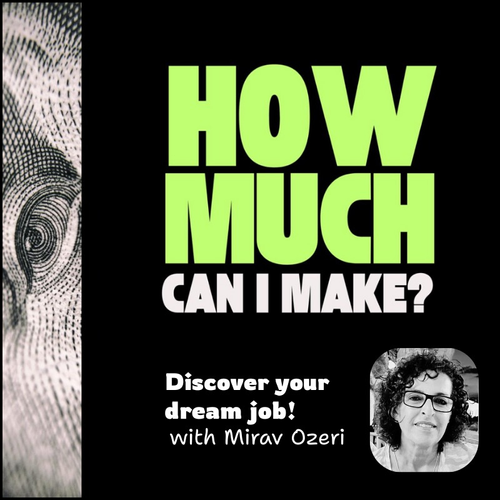
Starting a business is a big financial step. It helps to hear real numbers from people who’ve already done it. That’s why we created How Much Can I Make?, our podcast where real entrepreneurs share exactly what they earned, what they spent, and what they wish they’d known earlier.
If you want honest, dollar-by-dollar insight before you leap, tune in to How Much Can I Make? Sometimes the best way to plan your next move is to learn from someone who’s already made theirs.