What Do Hiring Trends Reveal About AI Proof Jobs in Chicago and Los Angeles?
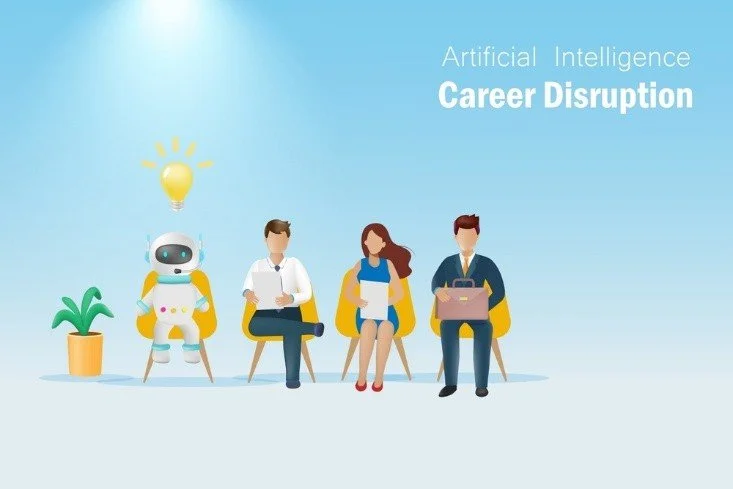
Every few weeks, a new headline says robots are coming for your job. It sounds scary. But real hiring data tells a calmer story. Job boards and city labor reports show a clear pattern. Some jobs are shrinking fast. Other jobs keep growing no matter how smart software gets. Knowing the difference can save you years of wasted effort.
This matters most if you live in a big city. AI-proof jobs in Los Angeles and Chicago are not a mystery. Local hiring data shows who is hiring and who is not. We just need to read it the right way.
What Makes a Job Hard for AI to Take Over?
Before we look at city data, let's cover the basics. Researchers who study automation keep finding the same four traits.
● Physical presence - A robot cannot fix your leaky pipe. It cannot calm down a scared patient either. Jobs done in messy, unpredictable places tend to stay human.
● Emotional trust - People want a real person to share bad news. They want a real hand to hold in hard times. That trust does not go to a chatbot.
● Legal duty - Someone must sign their name and take the blame if things go wrong. Surgeons, judges, and licensed electricians carry that weight.
● Problem solving on the spot - AI is great at repeating patterns it has already seen. It struggles when every job site looks a bit different. That fits most skilled trades and hands-on healthcare work.
Jobs with all four traits rarely show up in layoff headlines. Jobs with none of them are already shrinking fast.
Chicago's Hiring Data Tells a Clear Story
Chicago's job market is holding up better than most people think. Payroll jobs in Chicago grew faster than the national average in late 2025. Unemployment has stayed close to 4 percent. Look closer at where the job openings sit, and the picture gets sharper. Healthcare and skilled trades jobs are easier to land than office jobs. Recent data shows medical assistant jobs get about 26 applicants each. Data analyst jobs get over 100 applicants each. That gap is not random. It shows which jobs AI can help with, and which jobs AI simply cannot do.
City planners expect healthcare jobs to keep growing through 2030. Nursing, medical tech, and health office work all show steady growth. Chicago's factories now lean harder on machines. This squeezes routine factory jobs. But skilled repair jobs inside those same factories stay in high demand.
Where Chicago Hiring Is Strongest Right Now?
Sector
Why AI Can't Take Over
Hiring Signal
Healthcare and nursing
Hands-on care and licensed judgment
Thousands of new jobs expected by 2030
Skilled trades (electrical, HVAC)
Unpredictable, physical work
Low competition, steady worker shortages
Education
Real human mentorship
Steady demand tied to population growth
Logistics and equipment repair
On-site physical troubleshooting
Growth tied to online shopping and construction
If you want AI-proof jobs in Chicago, this table works like a map. Follow the shortage. Do not follow the crowd of applicants.
Los Angeles Tells a Similar Story, With a Twist
Los Angeles has its own kind of job security. Healthcare remains the single strongest hiring engine in the county. This matches trends we see nationwide. Big hospital systems have offered sign-on bonuses to attract nurses. That tells you demand is beating supply.
The twist in LA is entertainment work. Movie and sound jobs actually grew in recent months. This happened even while other office jobs slowed down. Creative direction and live production still need real people making real calls on set. AI can draft a rough storyboard. It cannot run a live shoot. It cannot work out a union deal either.
Construction is another bright spot. California needs hundreds of thousands of new trade workers as older workers retire. Employers compete for electricians and HVAC techs in Los Angeles. Workers do not compete for the jobs.
Where Los Angeles Hiring Is Strongest Right Now?
Sector
Why AI Can't Take Over
Hiring Signal
Healthcare and nursing
Direct patient contact and licensing
Sign-on bonuses and strong nurse demand
Entertainment production
Creative judgment and live coordination
Job growth even during slow periods
Skilled trades and construction
Physical, site-specific work
Statewide shortage expected through 2031
Cybersecurity and AI oversight
Human judgment layered on tech
Fast growth, hard to automate itself
If you are researching AI proof jobs in Los Angeles, healthcare and skilled trades are your safest long-term bets. Entertainment production comes in close behind for creative or technical workers.
How to Use This Information for Your Own Career?
You do not need to quit your field to use this data. A few simple moves can help almost anyone.
Move toward the judgment-heavy parts of your job
A junior writer who becomes a strategist survives better than one who only drafts posts. A junior nurse who earns a specialty certificate becomes even harder to replace.
Pair AI skills with human skills
Employers in both cities want people who use AI as a tool. They are not hiring people who compete against it. Learning to direct AI well is becoming its own valuable skill.
Watch the competition per job, not just the paycheck
A high-paying job with 120 people applying is a hard fight. A solid healthcare or trades job with 25 applicants is a much faster path to getting hired.
If you are thinking about switching careers, or wondering what a new field could actually pay you, that question is worth researching before you commit years to it.
FAQs
Will AI eliminate most jobs in the next five years?
No. Most research shows less than 5 percent of jobs can be fully automated today. AI tends to change parts of a job, not the whole role.
What skills make a job harder for AI to replace?
Hands-on physical work, emotional trust, legal duty, and quick problem-solving all help. Most safe jobs combine at least two of these traits.
Is healthcare really safe from AI in Chicago and Los Angeles?
Yes, for now. Both cities show strong, steady healthcare hiring. AI tools are built to support nurses and doctors, not replace their judgment.
Are skilled trades a good backup plan if my industry gets automated?
Yes. Trades like electrical work and HVAC show low automation risk. Both cities also face real worker shortages right now.
How do I know if my job is at risk?
Ask if your daily tasks are repetitive and rule-based, or if they need judgment and physical skill. Repetitive tasks face the highest risk.
Want a Clearer Picture of What a Career Move Could Actually Pay?
Reading hiring trends is a great first step. But the number that matters most is what a job pays once you are in it. That is why we started digging into real pay data across careers. It is also why we built the How Much Can I Make? podcast. Each episode breaks down what people in different fields really earn, with no guesswork and no recruiter spin. If you are weighing a move into healthcare, a skilled trade, or anything in between, come listen in first. Get the real numbers before you make your next career move.
