Lighting Designer's Journey - From small stage to Tony Awards
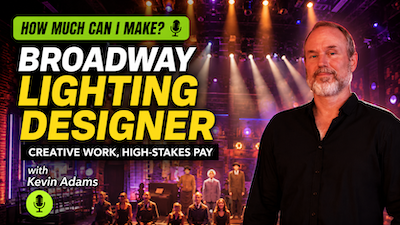
Broadway Lighting Designer: Tony Awards, Royalties & Real Pay
$50K – $500K+
In this episode, we go behind the scenes with four-time Tony Award winner Kevin Adams, one of Broadway's most celebrated lighting designers. His work has lit Spring Awakening, Hedwig and the Angry Inch, American Idiot, SpongeBob SquarePants: The Musical, and dozens more. Kevin breaks down how lighting designers actually get paid — including the royalty system most people have never heard of.
What you'll learn in this episode:
How a set design student stumbled into lighting — and became one of Broadway's best
What a Broadway lighting designer actually does (and doesn't do — no, they don't hang the lights)
How union minimums, design fees, and weekly royalties stack up
Why a hit show like The Lion King can pay you for decades — worldwide
How Vegas deals differ from Broadway royalty contracts
Why lighting is one of the most overlooked creative careers in entertainment
What the LED revolution changed about theatrical lighting
What it's like to win — and lose — a Tony Award four times each

How much can you earn?
Lighting designer salaries vary enormously depending on experience, union status, production size, and whether projects generate royalties.
Entry-level / Assistant Lighting Designer:$50,000–$80,000
Regional theater / Touring productions:$80,000–$150,000
Broadway & major productions:$150,000–$300,000+
Top Broadway designers with long-running royalty-producing shows:$500,000+ in exceptional years
Unlike many entertainment careers, successful Broadway lighting designers can continue earning weekly royalties while shows run in New York, tour nationally, and open internationally, creating long-term income long after opening night.
You may also like:
Beyond the curtain - Theater Director →
The Business of Acting - Broadway Actress →
TV World - Network TV Producer →
Check out other creative jobs →
FAQ
What does a Broadway lighting designer do?
A lighting designer creates the visual atmosphere for a production using light—designing how scenes look, feel, and transition. This includes selecting lighting equipment, planning cues, and working closely with directors, set designers, and stage managers.
Where does the “big money” come from in this career?
Major income often comes from Broadway contracts, union rates, royalties, and working on multiple productions simultaneously. Long-running shows can provide ongoing income.
Do lighting designers get paid royalties?
Yes, in some cases. On Broadway and major productions, designers may receive weekly payments or royalties tied to the show’s run anywhere in the world.
What skills do you need to become a lighting designer?
Creative vision, technical knowledge of lighting systems, collaboration skills, and the ability to interpret scripts and translate them into visual storytelling.
Do you need a degree to become a lighting designer?
Not strictly, but many professionals study theater design or technical theater. Hands-on experience and building a portfolio are critical.
How do you get started in Broadway lighting?
Most start in smaller theaters, assisting designers, working as electricians, or gaining experience in regional productions before moving to larger markets like New York.
Is this a stable career?
It can be inconsistent. Work is often project-based, so income depends on securing ongoing productions and maintaining industry relationships.
What is the role of unions in this field?
Unions (like United Scenic Artists) help set pay standards, working conditions, and contracts for designers working on major productions.
Can lighting designers work outside of Broadway?
Yes. Many work in television, concerts, film, events, and regional theater, creating multiple income streams.
What is the work schedule like?
Irregular and often intense. Designers may work long hours during rehearsals and tech periods, including nights and weekends.
What are the biggest challenges of the job?
Freelance instability, competition, tight deadlines, and the pressure to deliver creative results within budget constraints.
What are the advantages of this career?
Creative expression, collaboration with top talent, and the potential for high earnings at the top level of the industry.
Is this a good career for creative professionals?
Yes. It’s a strong path for those interested in combining art and technology, especially within live performance and storytelling.
This episode first published in April 2025