Science of Babies: Feldenkrais Method & Infant Development
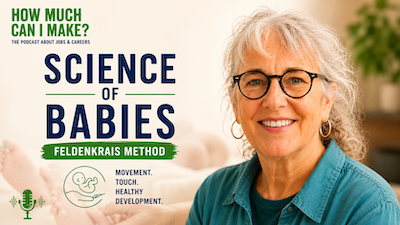
Helping Babies Thrive: Movement, Touch & Early Development
$100–$250+ per session
In this episode, we talk with Leigh Scott, a certified Feldenkrais practitioner and author of the multi-media book Secrets Babies Hold, about how babies learn through movement, touch, and sensory experiences. She explains how the Feldenkrais Method helps infants with common developmental challenges, why parents often worry too much about milestones, and how simple changes in the way we interact with babies can support healthy brain and body development.
What you'll learn in this episode:
What the Feldenkrais Method is and how it works
Why babies learn through movement before language
Common developmental delays and when parents should be concerned
Why rolling, crawling, and floor play matter more than many parents realize
How gentle touch can reduce tension and improve movement
The connection between movement, brain development, and emotions
Why today's parents experience more anxiety—and how to worry less
What every parent should know about helping babies thrive

How much can you earn?
Feldenkrais practitioners generally work in private practice and set their own fees. Income depends on location, experience, specialty, and whether they work with adults, infants, or both. Many practitioners also offer workshops, online classes, and professional training.
Beginning practitioner: $60,000–$90,000
Established private practice: $90,000–$150,000+
Specialists working with infants, neurological conditions, or teaching professionals: $150,000+ (varies widely)
Typical session fee:$100–$250+
House calls or specialty sessions: Often higher
What does a Feldenkrais practitioner do?
A Feldenkrais practitioner helps people improve movement, reduce pain, and develop greater awareness of how their body functions. Leigh specializes in working with babies from birth until walking age. During sessions, she evaluates how a baby moves, then teaches parents gentle ways to support healthier movement patterns through touch, positioning, and play.
Rather than forcing milestones, the Feldenkrais Method focuses on helping babies discover movement naturally. Parents become active participants, learning techniques they can use every day at home to encourage healthy development.
You may also like:
FAQ
What is the Feldenkrais Method?
The Feldenkrais Method is a movement-based educational approach developed by Dr. Moshe Feldenkrais. It helps people improve movement, reduce pain, and increase body awareness by retraining the nervous system through gentle movement and touch.
Can the Feldenkrais Method help babies?
Yes. Practitioners work with babies experiencing issues such as torticollis (tight neck muscles), movement delays, feeding difficulties, birth-related tension, and developmental asymmetries. The goal is to help babies move more comfortably while teaching parents how to support their child's development.
When should parents worry about developmental milestones?
Every baby develops at a different pace. Leigh explains that parents should focus less on comparing milestones and more on observing how their baby is learning and exploring movement. Persistent concerns should always be discussed with a pediatrician.
Do babies need to crawl before walking?
Many babies who skip crawling still learn to walk successfully. However, crawling provides important opportunities for coordination, balance, strength, and brain development, making it a valuable stage whenever possible.
How long does it take to become a Feldenkrais practitioner?
Professional Feldenkrais training typically takes about four years and includes extensive coursework in anatomy, movement, neuroscience, and hands-on practice before certification.
What advice does Leigh give to new parents?
Her biggest message is simple: take care of yourself first. Babies benefit most from calm, regulated caregivers. Instead of obsessing over milestones or internet advice, parents should slow down, observe their baby's strengths, and build confidence in their own relationship with their child.
This show first aired in July 2026