Restaurant Owner Job: Career Change Story of Nicole Cawley
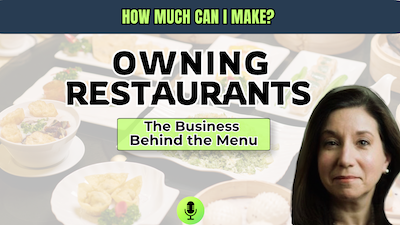
The Truth About Owning a Restaurant: Inside Yum Yum in the Hudson Valley
12/2/25
In this episode of How Much Can I Make?, we break down with Nicole Cawley owner of Yum Yum Chain, what it takes to own restaurants, from startup costs and daily operations to profit margins and long-term earning potential. If you are searching for restaurant owner salary, how to open a restaurant, or food industry careers that can grow into a business, this episode gives a practical look at how money is made the challenges in the restaurant world and what it takes to succeed in a competitive industry.
How much can a restaurant owner make?
Owning a restaurant can offer a wide range of income depending on the concept, location, and scale of the business. Restaurant owners often earn anywhere from $60,000 to $150,000+ a year, while restaurant managers average about $61,310, and head chefs earn around $58,920 annually. At the same time, hourly roles like servers and bartenders can make $25–$40+ per hour with tips, showing how earnings in the restaurant industry can vary from entry-level to ownership.
You may also like:
Catering Career: Kitchen Skills to Profitable Events - Listen here!
Entrepreneurship - Startup myths exposed! - Listen here!
Food manufacturer - Listen here!
FAQ
What does a restaurant owner actually do?
Owners oversee daily operations, staffing, inventory, finances, marketing, and customer experience. In smaller restaurants, owners are often hands-on in the kitchen or front-of-house.
How much does it cost to open a restaurant?
Startup costs can range from $100,000 to $500,000+ depending on size, location, and build-out needs. Expenses include rent, equipment, licenses, staff hiring, and initial inventory.
What are typical restaurant profit margins?
Restaurant profit margins are usually low, often around 3% to 10%. Costs like rent, labor, and food supplies significantly impact profitability.
Why do so many restaurants struggle financially?
High overhead, tight margins, inconsistent customer traffic, and rising food and labor costs make the industry competitive and risky.
How long does it take for a restaurant to become profitable?
It can take 1–3 years to become profitable, depending on startup costs, management, and how quickly the restaurant builds a loyal customer base.
What affects a restaurant owner’s earnings the most?
Key factors include location, concept (fast casual vs. fine dining), pricing strategy, labor costs, food costs, and operational efficiency.
Do restaurant owners need formal training?
Not necessarily, but experience in hospitality, business management, or culinary arts is highly beneficial.
Can you start a restaurant with no experience?
Yes, but it is risky. Many successful owners gain experience working in restaurants before opening their own.
What are the biggest ongoing expenses?
Labor, rent, food costs, utilities, and insurance are typically the largest recurring expenses.
What is the difference between owning one restaurant vs. multiple locations?
Owning multiple locations can increase income but also adds complexity, including managing larger teams, maintaining consistency, and higher financial risk.
Is owning a restaurant a stable career?
It can be rewarding but is not typically considered stable due to high failure rates and economic sensitivity.
What skills are most important for restaurant owners?
Leadership, financial management, customer service, problem-solving, and the ability to handle high-pressure situations are critical.
Can a restaurant become a scalable business?
Yes. Some owners expand through additional locations, franchising, or developing a strong brand that can grow beyond a single location.
What are the biggest advantages of owning a restaurant?
Creative control, the potential to build a brand, and the opportunity to scale into a larger business.
What are the biggest challenges?
Long hours, financial risk, staff turnover, and maintaining consistent quality in a competitive market.